
Scar Camouflage
Conceal the Scar.
Keep the Story.
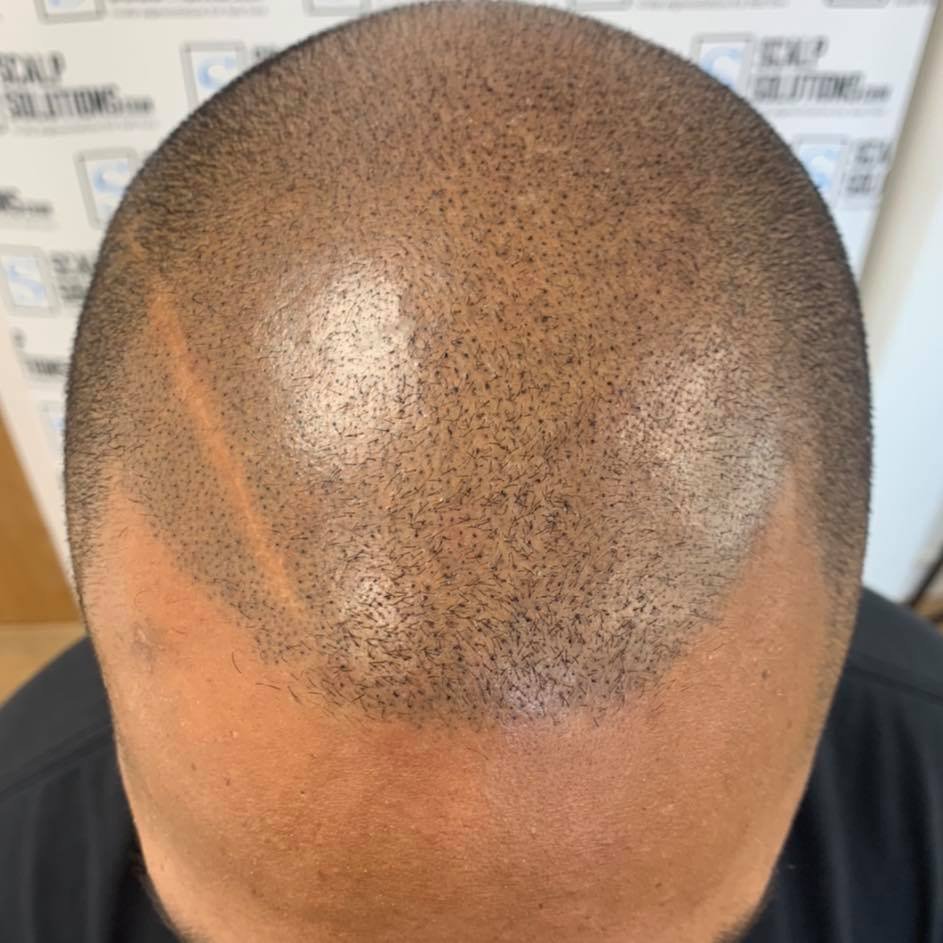
Scar Camouflage
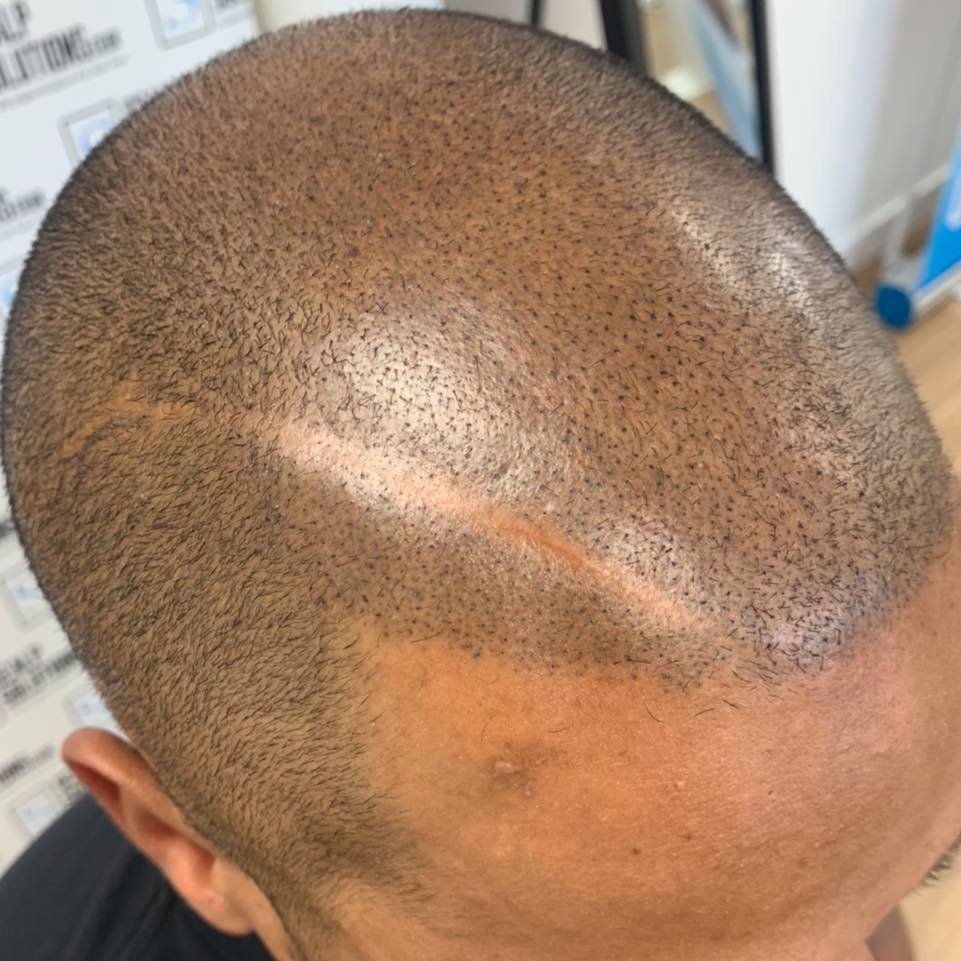
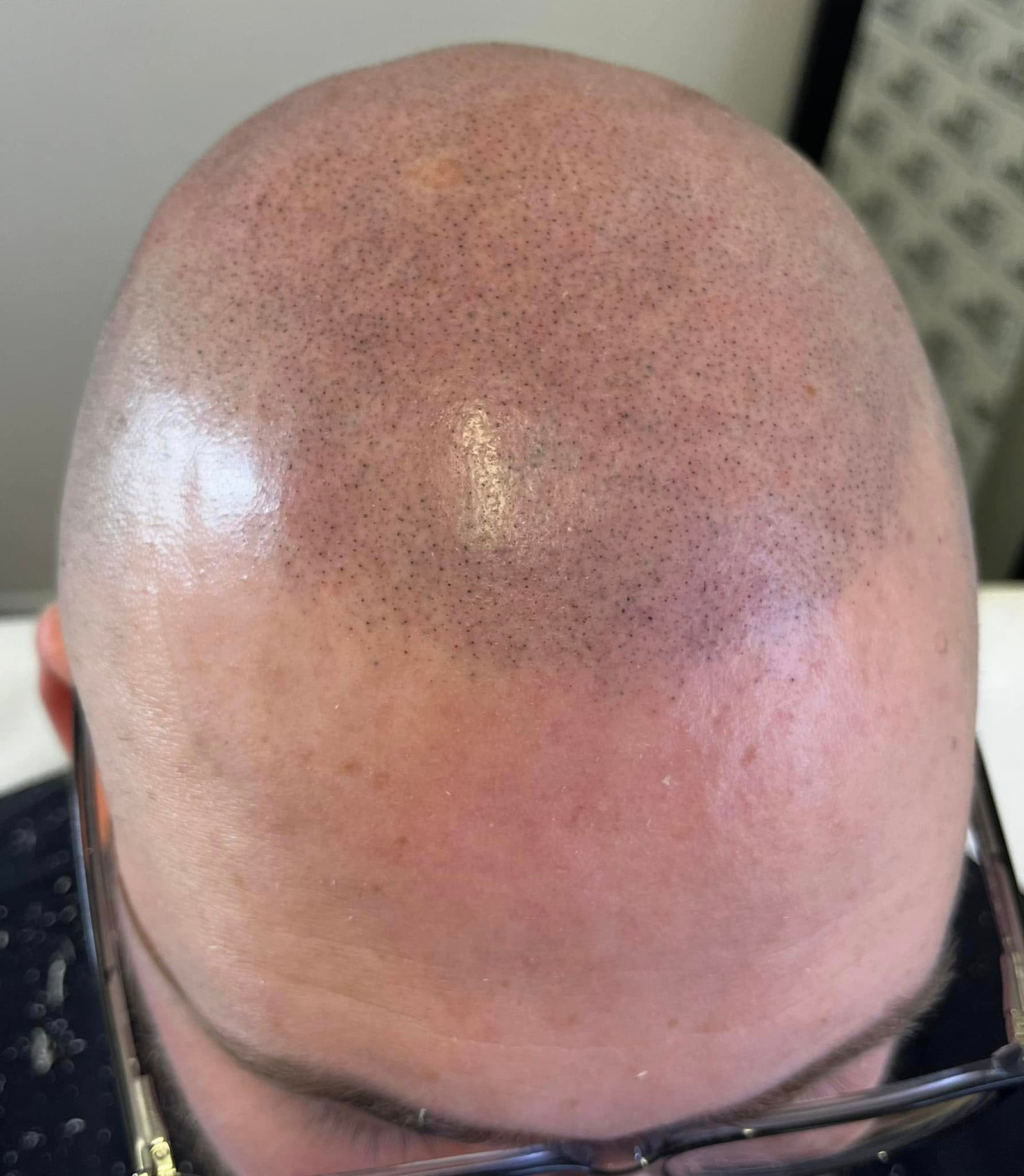
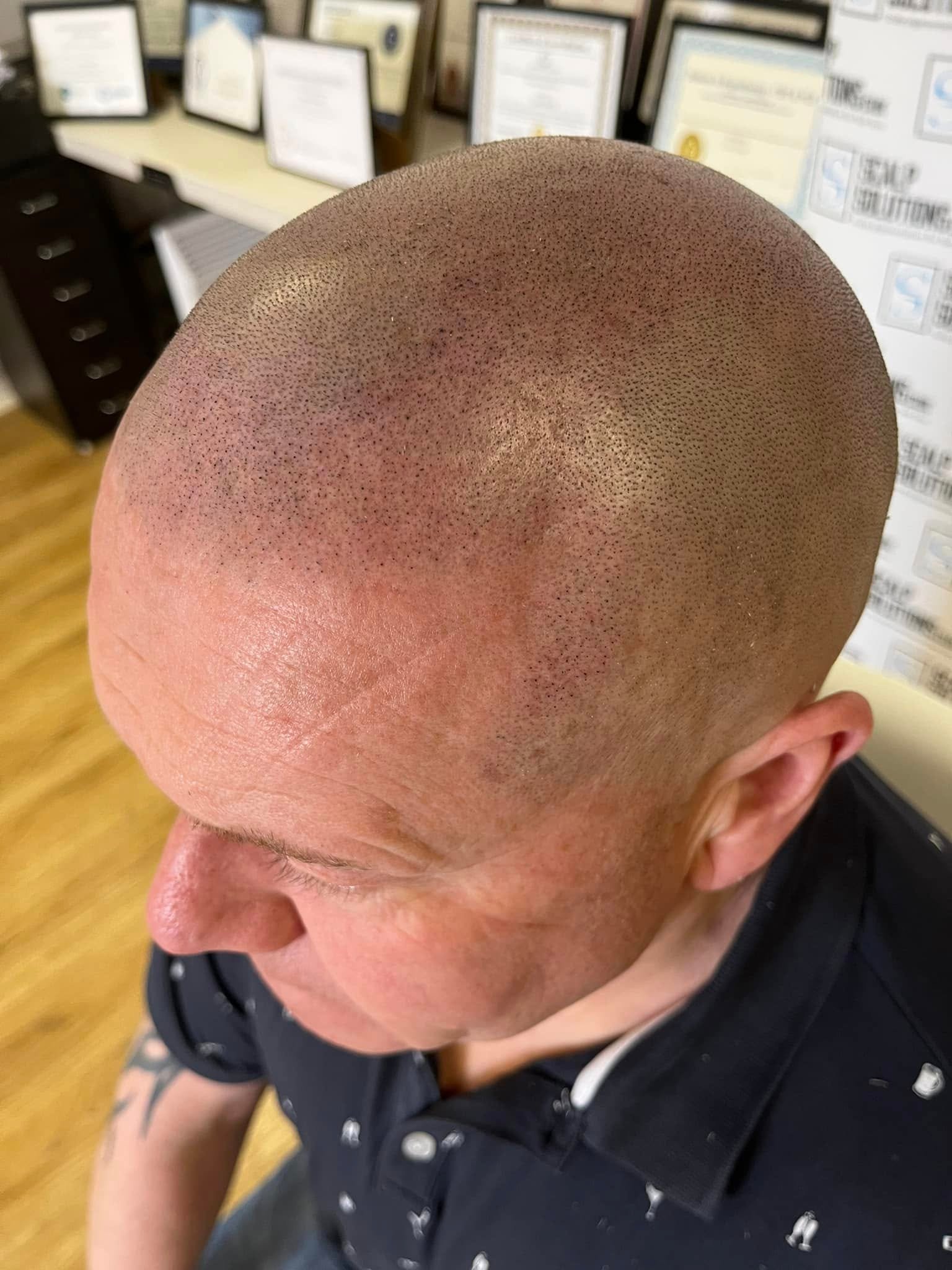
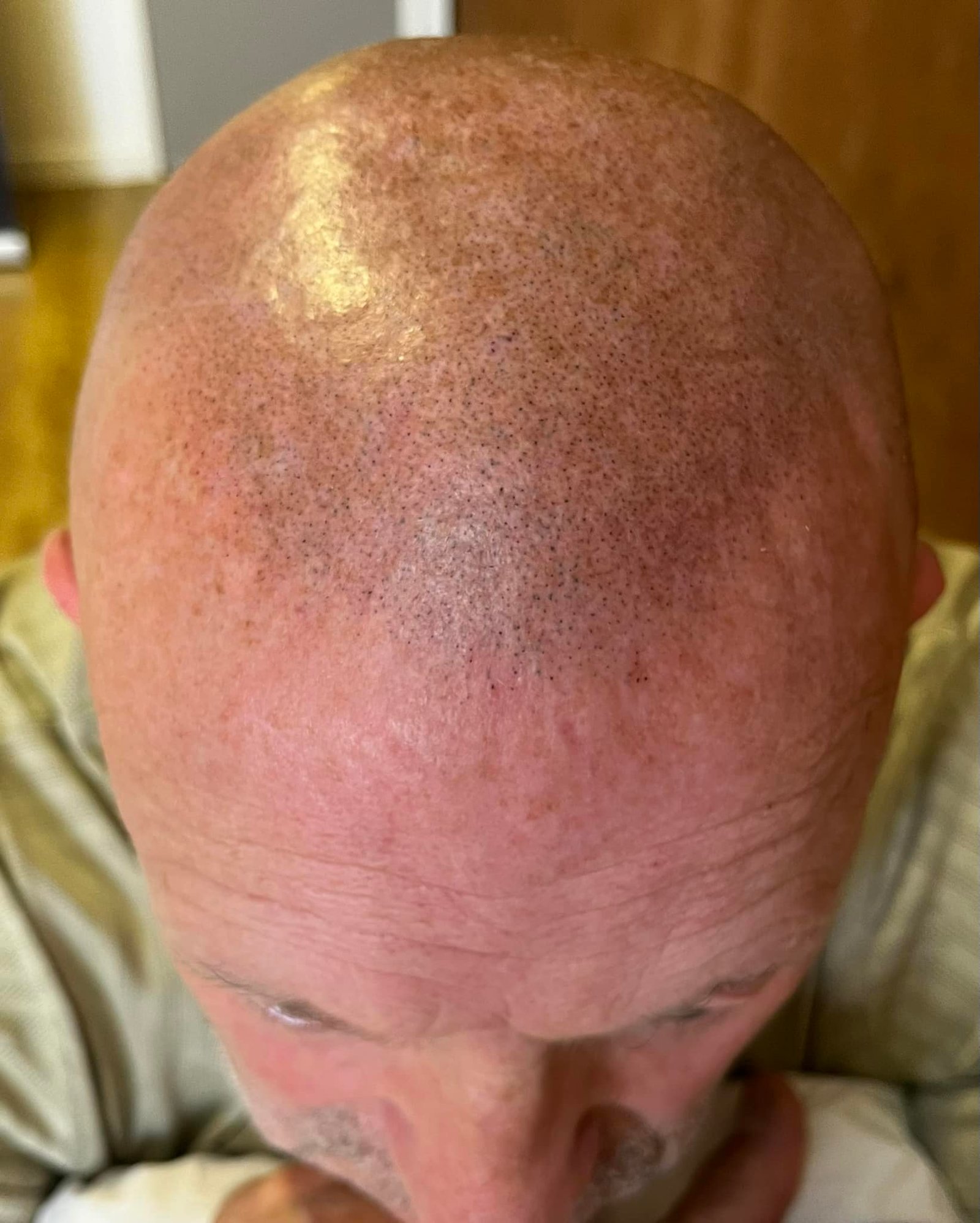
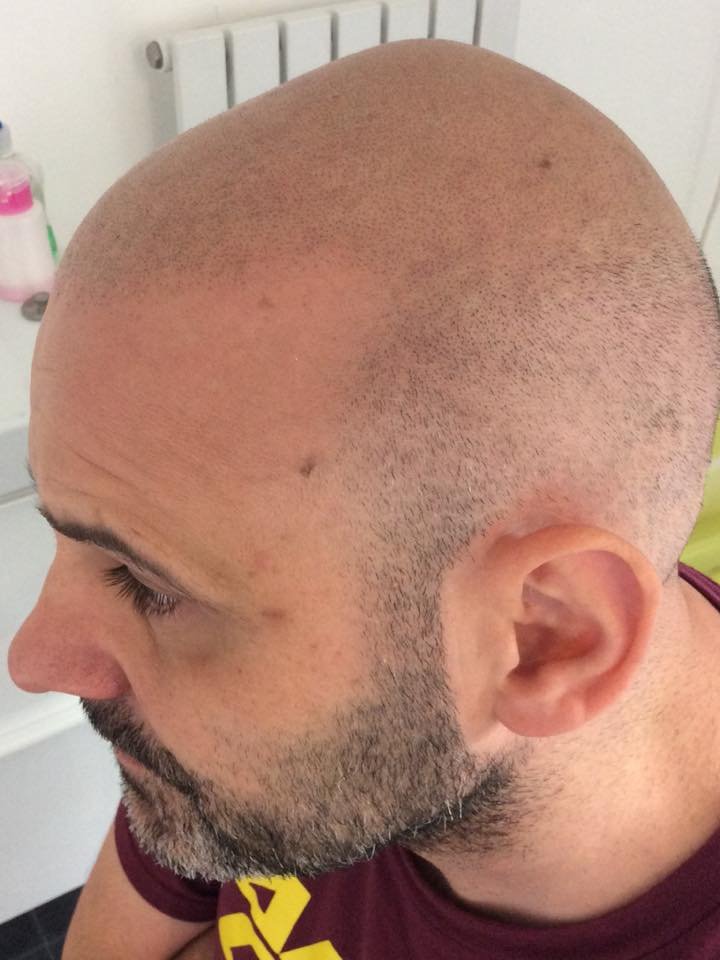
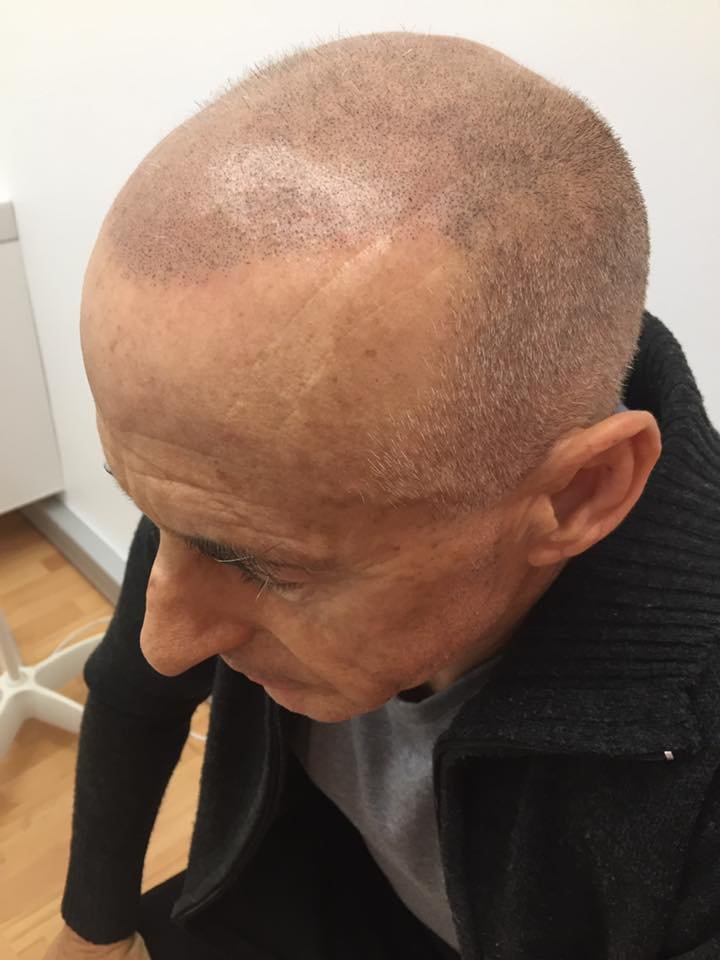
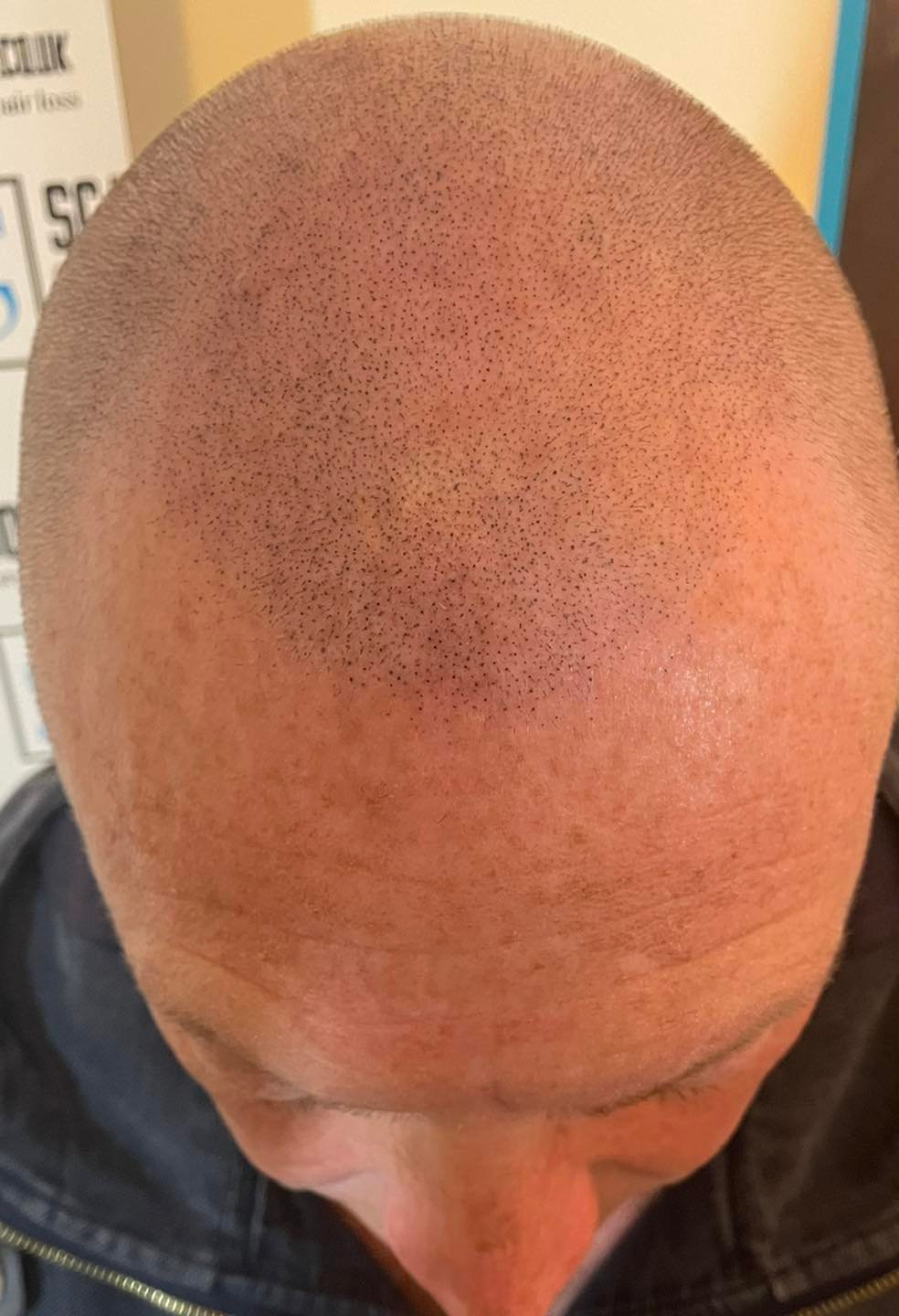
SMP scar camouflage blends scars into surrounding hair or scalp, making them significantly less noticeable. Whether from surgery or injury, our goal is subtle, seamless coverage.
Common Scars We Treat
- FUT & FUE transplant scars
- Thinning crown or top
- Complete hair loss
Non-surgical + no downtime + Non-surgical + no downtime + Non-surgical + no downtime +
Scar Camouflage
Our 4-Step Process
Consultation
We assess your hair loss, scalp condition, and goals, then design a hairline that fits your face and lifestyle.
Custom Design
Your hairline, density, and pigment shade are carefully mapped and approved before treatment begins.
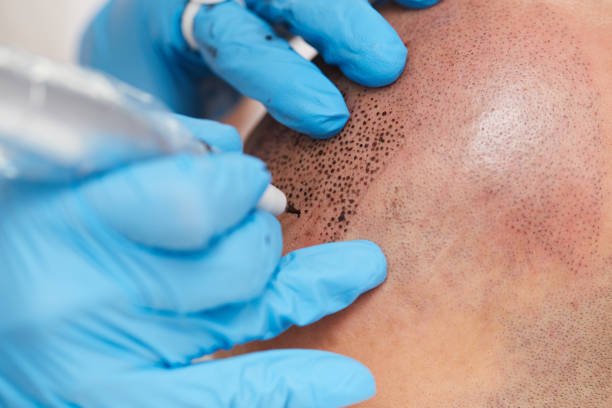
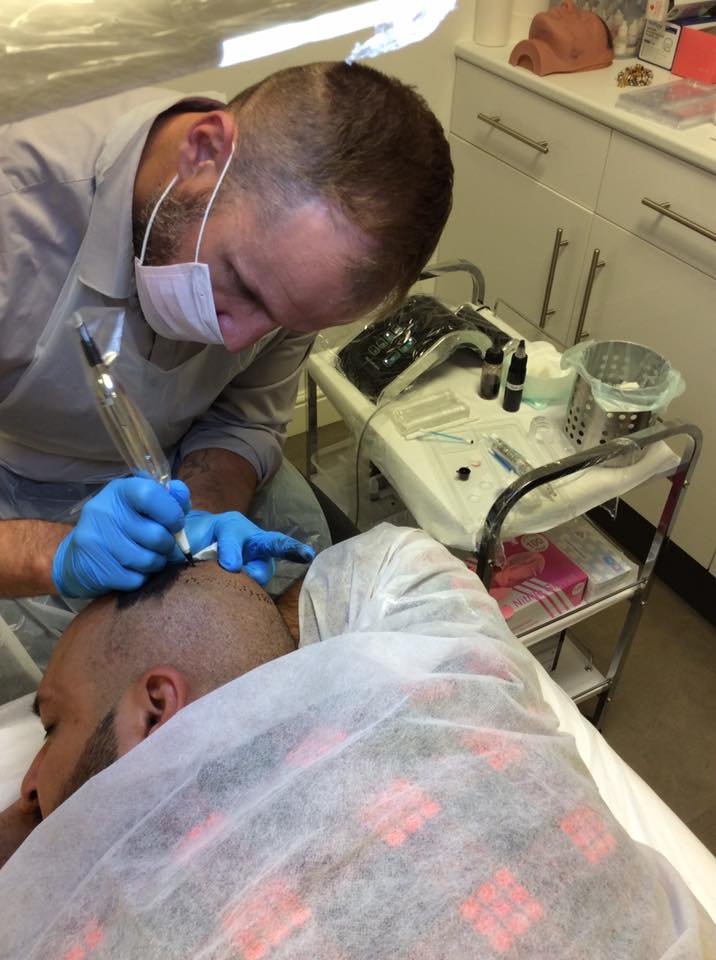
Precision SMP Sessions
Pigment is layered gradually over multiple sessions to create a natural, realistic finish.
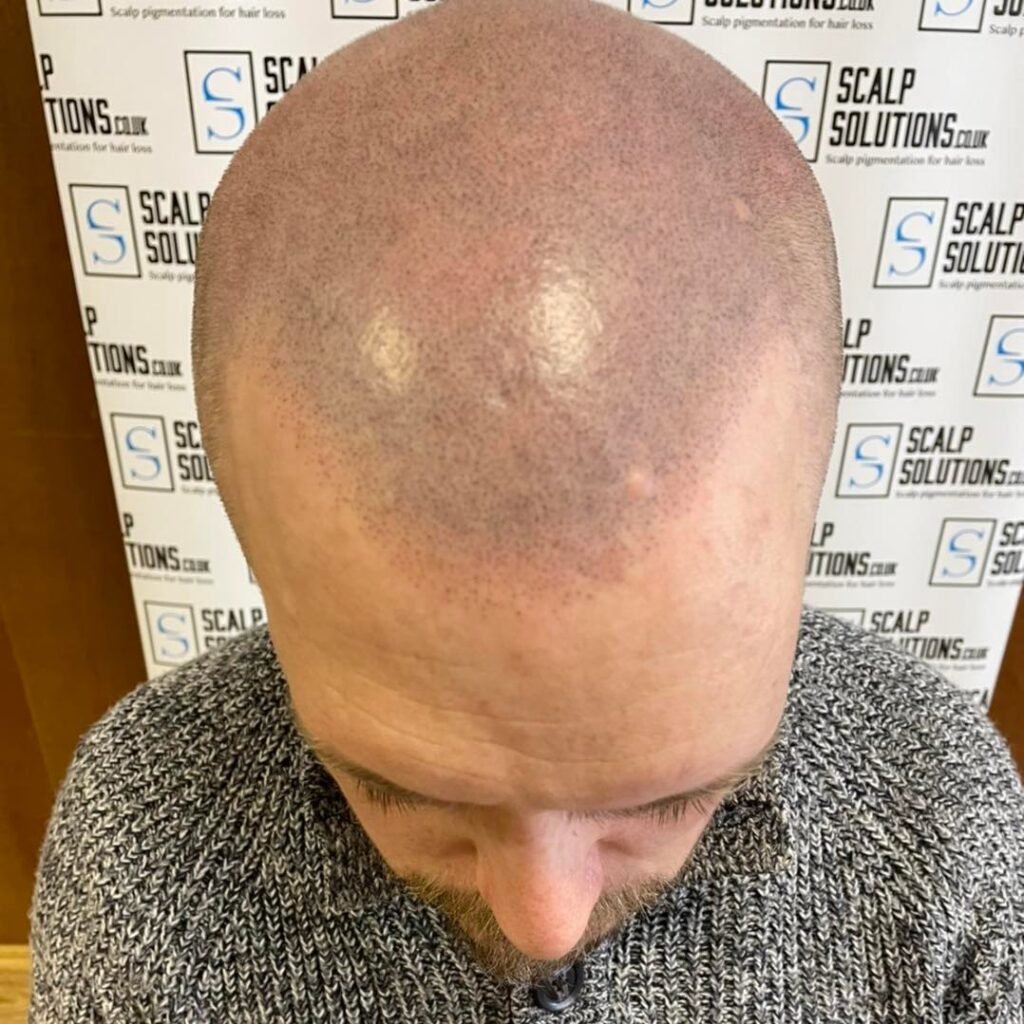
Refinement & Results
Final adjustments are made to ensure balance, softness, and long-lasting results.
Why Men Choose SMP
Where Technique Meets Taste.
Non-surgical, no downtime
Long-lasting results
Natural appearance
Confidence without medications
Ready for a Bold New Look? Let’s Get Started
Scar Camouflage
FRequently Asked Questions
What types of scalp scars can Manscape SMP camouflage?
Manscape SMP’s scar camouflage service is designed to treat a wide range of scalp scarring, with particular expertise in FUT (strip harvest) and FUE (follicular unit extraction) hair transplant scars. We also work with clients who have scarring from injuries, accidents, surgeries, or other medical procedures that have left visible marks on the scalp. Whether your scar is a long linear strip across the back of the head or a collection of small dots from FUE extraction, our artists have the skill to blend the scar into the surrounding scalp or hair in a way that makes it virtually invisible.
How does SMP actually camouflage a scar — does it cover it or blend it?
SMP scar camouflage works by placing pigment directly into or around the scar tissue to match the tone of the surrounding scalp and replicate the appearance of hair follicles within the scar. For linear FUT scars, this creates the illusion that the scarred area is simply part of the shaved scalp, making it indistinguishable from the areas around it. For FUE dot scars, we fill in the lighter, depigmented areas so they blend with the natural skin tone. The goal is always seamless, subtle coverage — not a heavy layer of pigment that draws attention to the area.
Is it safe to apply SMP pigment to scar tissue?
Yes — scar tissue can hold SMP pigment effectively, though it does behave differently from normal scalp skin in terms of absorption and consistency. At Manscape SMP, our artists are experienced in adapting technique for scar tissue, adjusting needle depth and pigment concentration to account for the different skin texture. We always assess the maturity and condition of the scar during consultation — scars generally need to be fully healed before treatment begins, typically at least 12 months old. Your safety and the integrity of your result are always our first consideration.
Can I get scar camouflage even if I'm planning more hair transplant surgery in the future?
This is a great question to raise during your consultation, as the answer depends on the location of your scar and your future transplant plans. In many cases, SMP scar camouflage can be performed in areas that won’t be affected by future surgery, and the treatment can later be extended if new scars develop. Our artists are experienced working alongside clients who have an ongoing hair restoration journey and can advise on the best timing and approach for your specific situation. We always prioritise treatments that will serve your long-term goals, not just your immediate needs.
How many sessions does scar camouflage require and what results can I expect?
Scar camouflage typically requires 2 to 3 sessions, with results building progressively as pigment layers are added and refined. The number of sessions can vary depending on the size, age, and severity of the scar, as well as how uniformly the scar tissue absorbs pigment during initial sessions. After treatment, most clients find their scars are dramatically less visible — often to the point where they are not noticeable unless someone is looking for them specifically. Manscape SMP’s refinement session at the end of the process ensures the final result is as seamless and natural as possible.